
Search Oregon Police Records
Oregon police records include arrest reports, incident logs, and criminal case files held by law enforcement agencies across the state. You can search police records from any of the 36 county sheriff offices, city police departments, or the Oregon State Police. These records are available online, by mail, or in person at local agencies. Whether you need an incident report from a city police department or arrest records from a county sheriff, Oregon provides several ways to find and obtain police records. This page covers how to search Oregon police records and request them from the right source.
Oregon Police Records Quick Facts
What Are Oregon Police Records
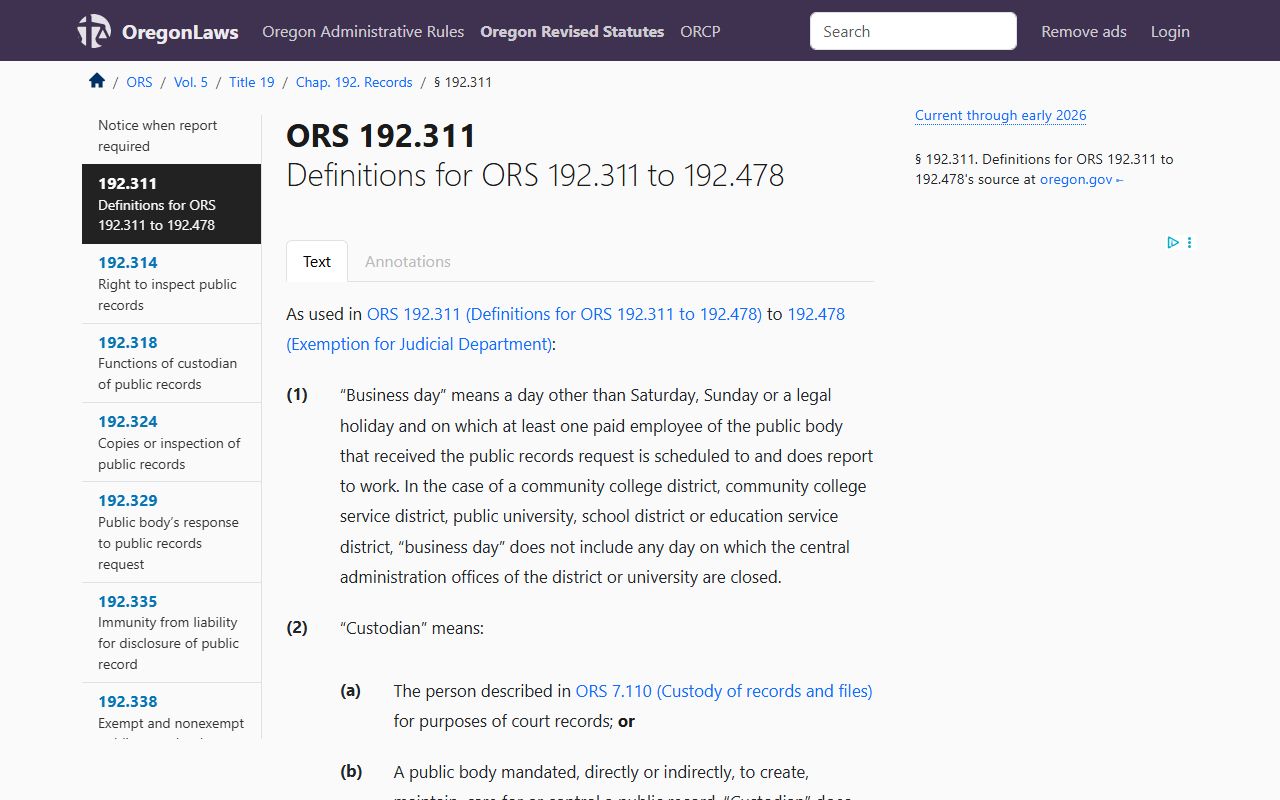
Police records in Oregon are documents created by law enforcement during their work. They include arrest reports, incident logs, accident reports, booking records, and criminal case files. Under ORS 192.311, a public record is any writing that relates to the conduct of public business. This covers police reports, body camera footage, digital photos, audio recordings, emails, and text messages. The law defines "writing" broadly to include every means of recording words, sounds, pictures, or symbols.
Oregon law treats all police departments, sheriff offices, and state law enforcement agencies as public bodies. That means their records fall under the public records law. The record of an arrest or the report of a crime must be disclosed under ORS 192.345(3) unless there is a clear need to delay disclosure during an active investigation. Basic arrest details are always public. These include the name, age, and residence of the arrested person, the offense charged, the circumstances of arrest, and the identity of the arresting agency.
Note: Investigatory information compiled for criminal law purposes may be withheld only during an active investigation in Oregon.
How to Search Police Records in Oregon
Oregon gives you several ways to search for police records. The method you use depends on what type of record you need and which agency holds it. Online tools work best for court-linked records. Direct requests work for incident reports and arrest logs held by local agencies.
The Oregon Judicial Case Information Network, known as OJCIN Online, provides access to circuit court records across all 36 counties. This system covers criminal cases that reach the courts. You can search by party name or case number. A subscription costs $150 to set up with monthly fees after that. The Oregon Judicial Department also offers a free Smart Search tool on their website for basic case details with no sign-in required. For full documents, you contact the court clerk or use the subscription service.
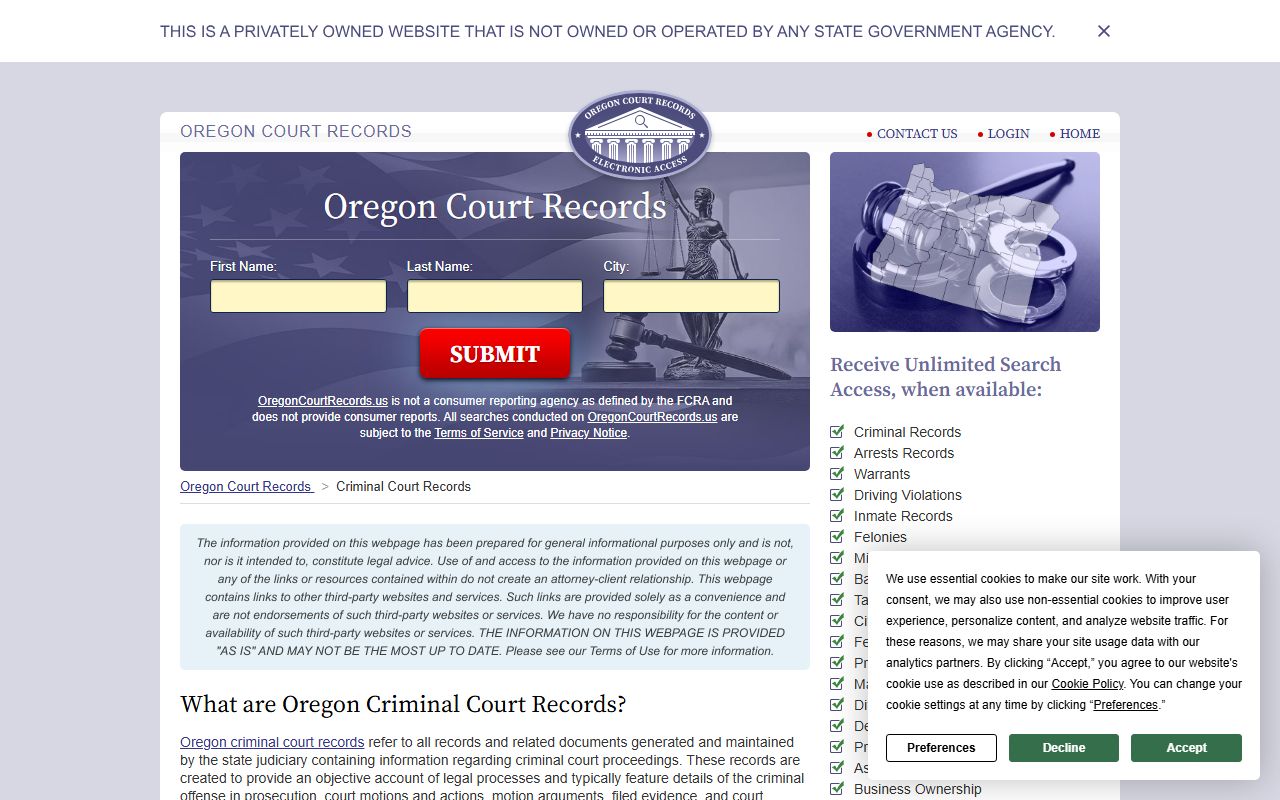
To search police records held by a specific agency, you submit a public records request directly to that agency. Under ORS 192.324, requests must be in writing. You can send them by email, letter, or online form. Many Oregon agencies now use NextRequest or similar portals for online submission and tracking. You do not need to state your reason for the request.
For criminal history checks through the state, the Oregon State Police CJIS Division handles those requests. Send the completed form with fees to OSP CJIS Division, Unit 11, P.O. Box 4395, Portland, OR 97208-4395. Call (503) 378-3070 for details. Your own records come back complete. Another person's records show only convictions and arrests less than a year old with no dismissal or acquittal.
Oregon Police Records and Public Access
Oregon has strong public access laws for police records. The state follows a presumption of openness. Any person can request records. The law defines "person" to include individuals, corporations, partnerships, and associations under ORS 192.311(3). You do not have to live in Oregon or explain why you want the records.
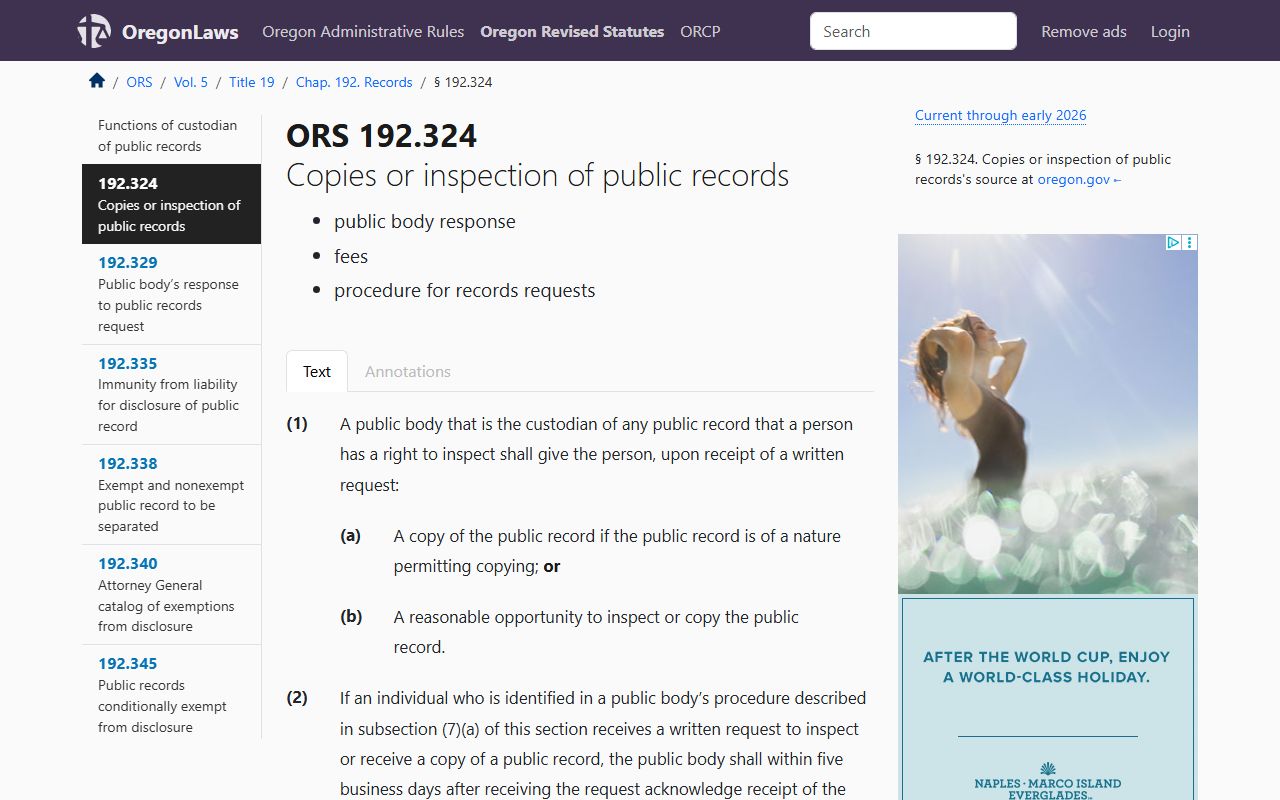
When you send a written request, the agency must respond within five business days. They can either complete the request or acknowledge receipt. The acknowledgment must confirm they hold the records, state they do not hold them, or say they are unsure. Business days exclude weekends, holidays, and days when no staff is scheduled to work. If the agency has the records in digital form, they must provide them digitally if you ask for that format.
Fees for police records in Oregon must reflect actual costs. The agency can charge for copying, compiling, and attorney review time for redactions. No fee can exceed $25 without advance written notice and your confirmation. Fee waivers are available when the request serves the public interest. If an agency denies your request or your fee waiver, you can petition the Oregon Attorney General or your local district attorney for review.
Note: Every Oregon law enforcement agency must have written procedures for public records requests available to the public, including fee schedules.
Types of Police Records in Oregon
Oregon law enforcement agencies create many types of records. Each serves a different purpose. The type you need depends on what happened and what information you are looking for.
Arrest records document when someone is taken into custody. They show the person's name, age, residence, the offense charged, and the circumstances of the arrest including time, place, resistance, pursuit, and weapons used. These details must be disclosed under ORS 192.345(3). Incident reports cover calls for service and police responses. They describe what happened, who was involved, and what action officers took. Accident reports document traffic crashes and are kept by the responding agency.
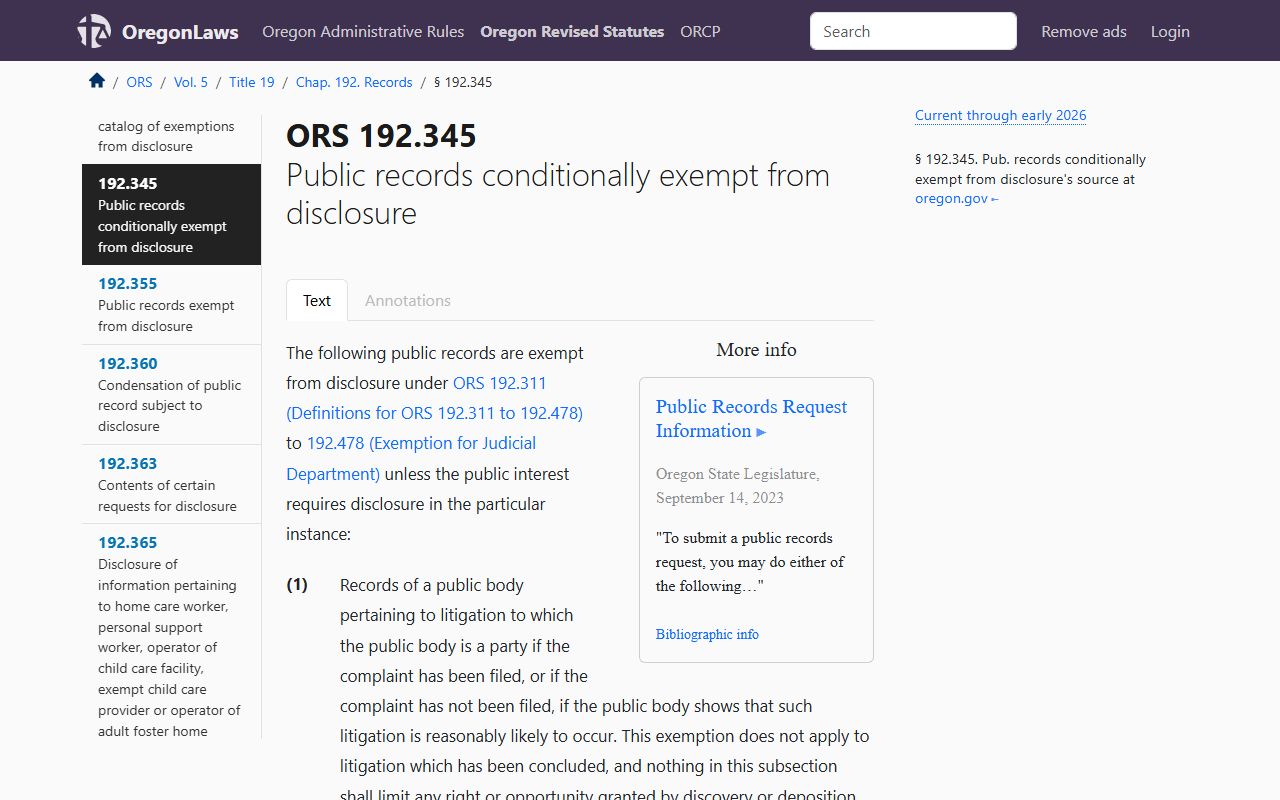
Criminal court records provide the most complete picture of a case. These include indictments, court dockets, motions, trial transcripts, and final judgments. Oregon circuit courts handle most criminal cases across 27 judicial districts. The Oregon Judicial Department oversees the court system. You can access court records through the clerk's office in each county or online through OJCIN.
Body camera footage from Oregon police officers is a conditional public record under ORS 192.345(40). You can request it, but the request must identify the approximate date and time and be reasonably specific. Video must be edited to make faces unidentifiable before release. Recordings sealed by court order cannot be disclosed.
Other police records include:
- Jail booking records and inmate custody status
- 911 call recordings and dispatch logs
- Criminal history reports from the CJIS Division
- Officer certification records through DPSST
- Civil process records from sheriff offices
Oregon Criminal Justice Agencies
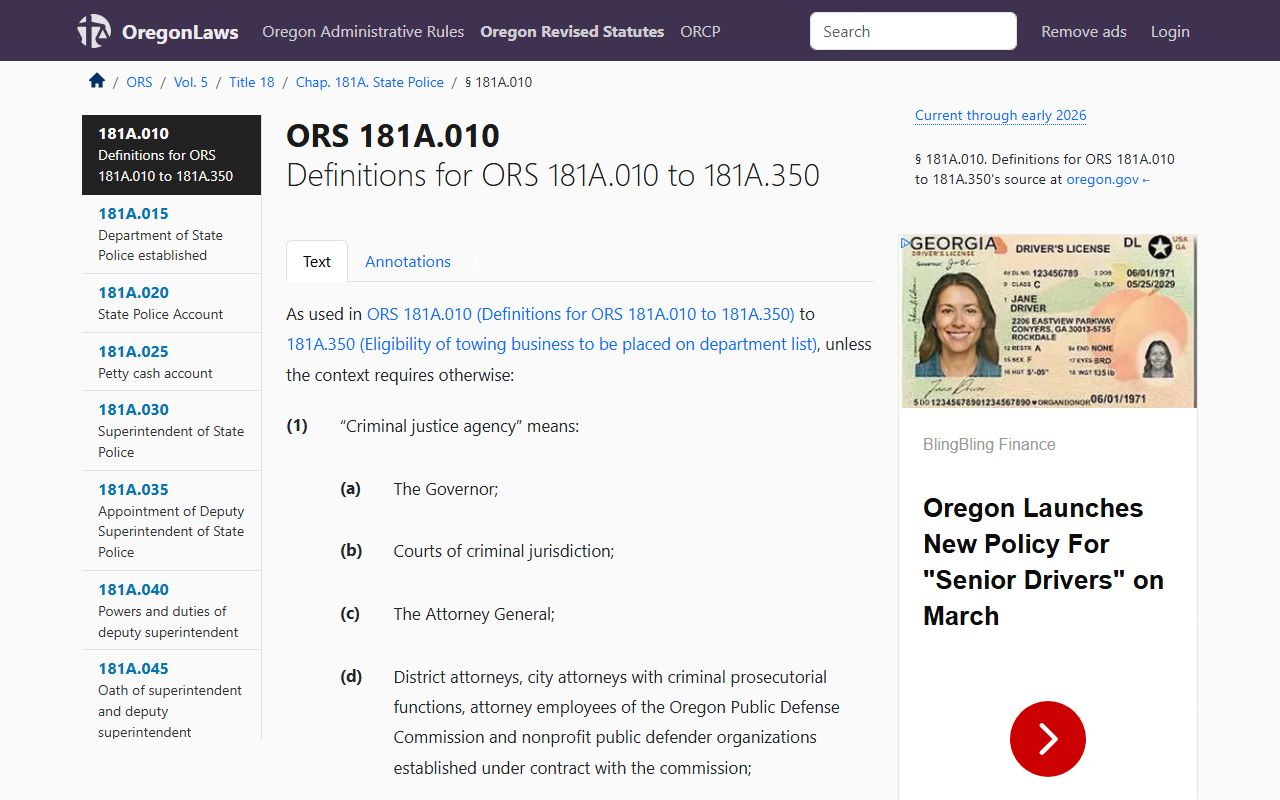
ORS 181A.010 defines which agencies make up the criminal justice system in Oregon. Criminal justice agencies include the Governor, courts of criminal jurisdiction, the Attorney General, district attorneys, law enforcement agencies, the Department of Corrections, the State Board of Parole and Post-Prison Supervision, and the Department of Public Safety Standards and Training. Each of these agencies creates and maintains police records relevant to their function.
Law enforcement agencies in Oregon include county sheriffs, municipal police departments, the Oregon State Police, university police departments, tribal police, and federal agencies operating in the state. Each agency keeps its own police records for incidents in its jurisdiction. The county sheriff handles unincorporated areas while city police departments cover municipal boundaries.
The Oregon State Police operates statewide. Their CJIS Division maintains the central criminal history repository. This is separate from court records. Criminal offender information includes physical descriptions, fingerprints, arrest records, charges, sentencing, confinement, parole, and release data. The CJ IRIS system lets you look up certification records for police officers, corrections officers, and other public safety professionals employed within the last five years.
Police Records Exemptions in Oregon
Not all police records are fully open. Oregon law has two types of exemptions. Conditional exemptions under ORS 192.345 can be overcome if the public interest requires disclosure. Absolute exemptions under ORS 192.355 cannot be overridden by public interest.
The most important conditional exemption for police records is ORS 192.345(3). It covers investigatory information compiled for criminal law purposes. Even under this exemption, arrest records and crime reports must be disclosed. The only exception is when there is a clear need to delay disclosure during a specific active investigation. Once the investigation ends, the records become available. Operational security plans under ORS 192.345(18) are also conditionally exempt if public disclosure would endanger safety or jeopardize law enforcement activity.
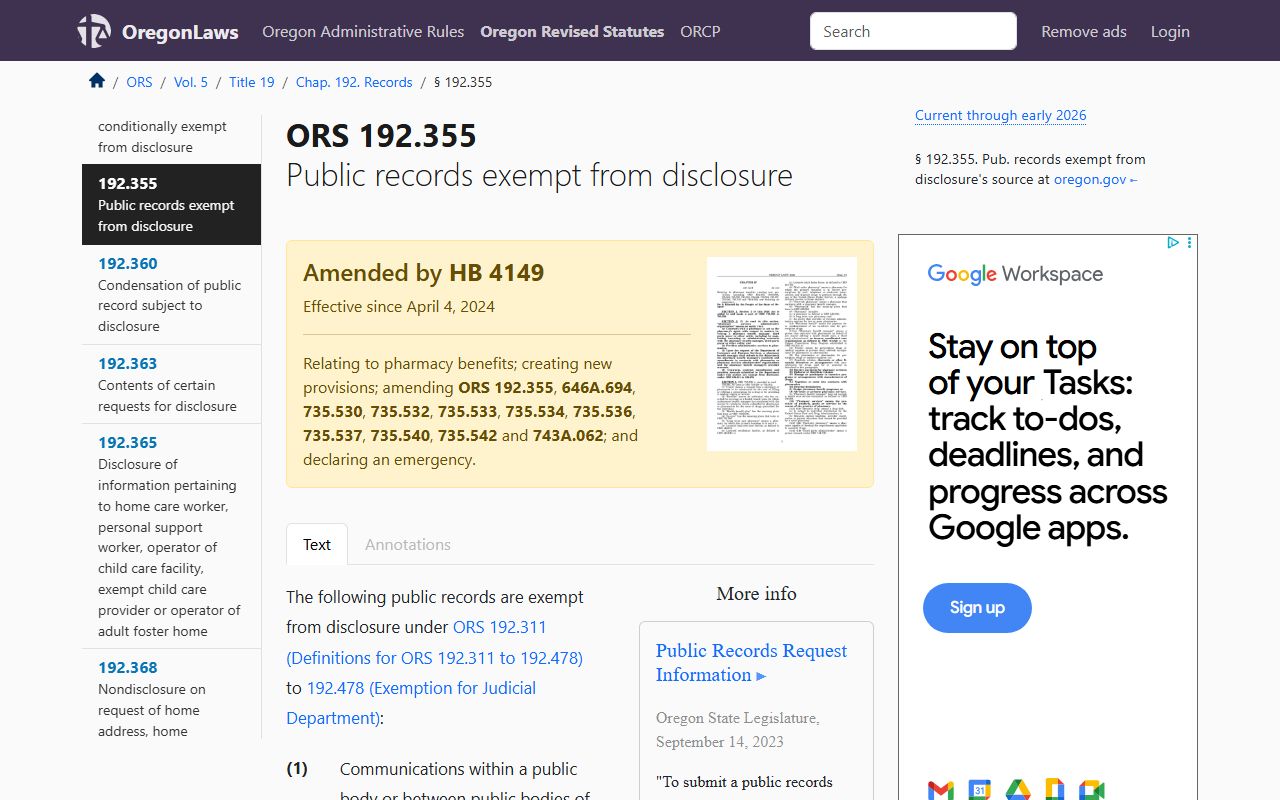
Absolute exemptions that affect police records include personal privacy protections under ORS 192.355(2). Images of a dead body from a law enforcement investigation are exempt if disclosure would invade the family's privacy. Employee personal contact information like home addresses and Social Security numbers of law enforcement personnel are also protected. Public safety officers can request that their home addresses be removed from certain public records under ORS 192.345(31).
Cybersecurity information under ORS 192.355(47) is absolutely exempt. This protects documents about security devices, programs, or systems that depend on secrecy for their effectiveness. Juvenile court records are also confidential by statute and only released with court consent.
How to Request Oregon Police Records
Start by finding the right agency. Police records stay with the agency that created them. A city police report stays with that city's department. A sheriff's report stays with the county. Court records go to the circuit court clerk. Determine where the incident occurred and which agency responded.
Write your request with enough detail to identify the records. Include dates, names, case numbers, or incident numbers if you have them. Send it to the agency's records division. You can email, mail, or use an online portal. Many agencies accept requests through NextRequest or their own web forms. Under ORS 192.324, you do not need to use a specific format. Any written request works.
The agency must respond within five business days. If the fee will exceed $25, they must send you a written estimate first. You then confirm whether to proceed. If the records exist in digital form and you ask for a digital copy, the agency must provide them that way. If they deny your request, they must cite the specific exemption. You can appeal denials to the Attorney General or district attorney. Courts can also order disclosure through injunctive relief, and attorney fees may be awarded to the prevailing party.
Oregon Police Officer Certification Lookup
The Department of Public Safety Standards and Training certifies police officers, corrections officers, parole and probation officers, and other public safety professionals in Oregon. DPSST maintains the CJ IRIS database where you can search certification records.
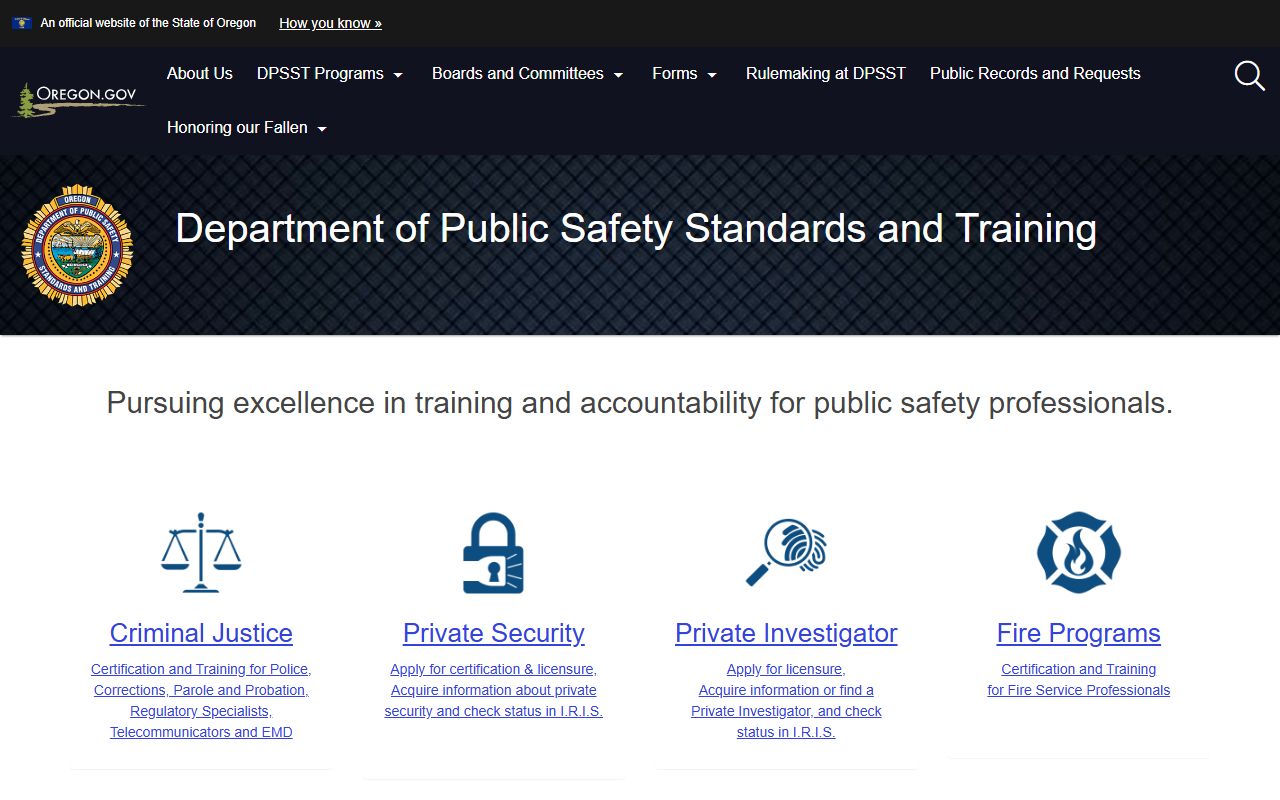
Search CJ IRIS by employee name or DPSST number. Results show certification status and employment history. The search only covers professionals employed within the last five years. For older records, submit a public records request directly to DPSST at 4190 Aumsville Hwy SE, Salem, OR 97317 or call (503) 378-2100. DPSST also investigates complaints against certified professionals under ORS 181A.640. Those investigation records are exempt until the department issues its report.
Oregon Crime Data and Police Records
The Oregon State Police CJIS Division tracks crime data statewide through the Uniform Crime Reporting system. In 2024, Oregon recorded 329,666 total Group A offenses. That was a 1.95% decrease from 336,229 offenses in 2023. Property crimes made up 46.33% of the total.
Crimes against persons totaled 42,022 in 2024. Simple assault was the most common at 20,097 cases. Aggravated assault rose 4.20% to 8,388 cases. Willful murder dropped 14.29% to 150 cases. Property crimes totaled 152,747. Larceny offenses led at 77,039 cases. Motor vehicle theft fell 28.56% to 12,218 cases. Vandalism dropped 25.18% to 27,483 cases. Each of these offenses generates police records that become part of the public record system.
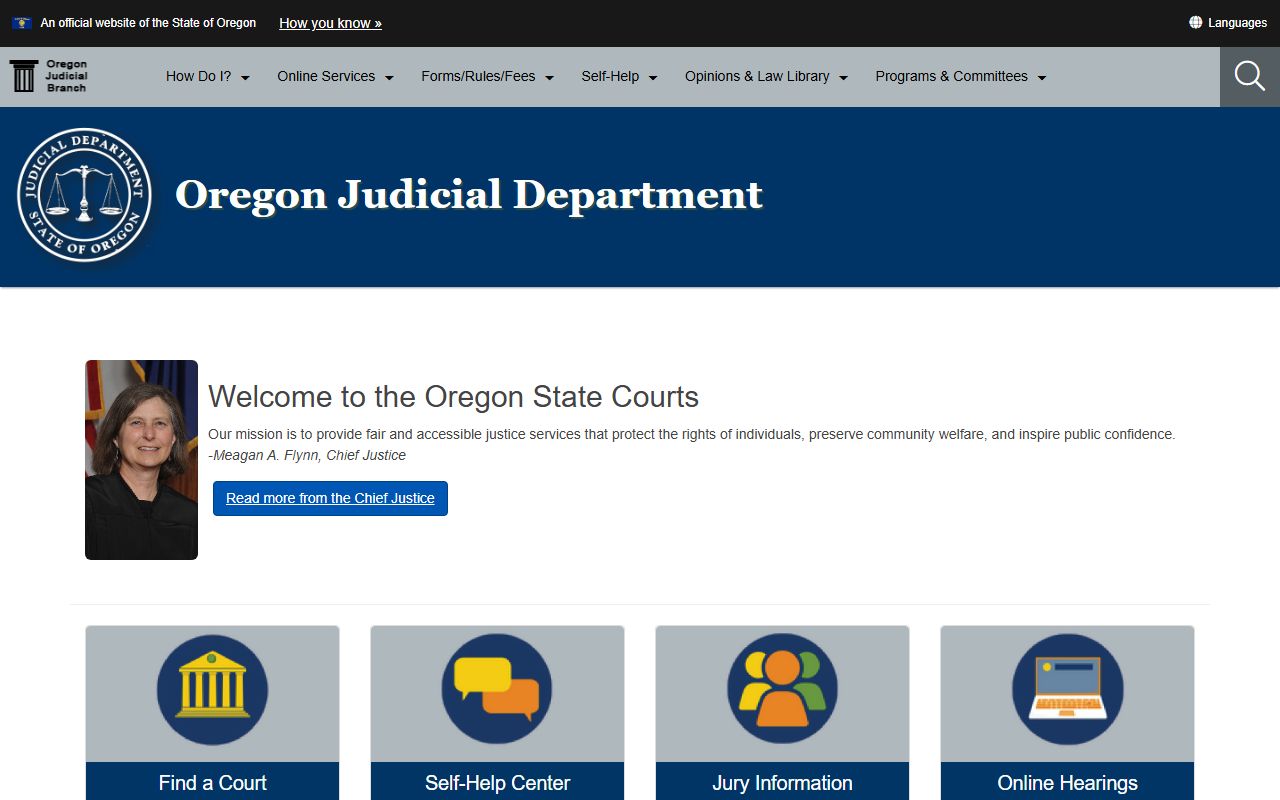
You can explore Oregon crime data through the Oregon Blue Book and the CJIS Division's crime data dashboard. The Oregon State Police can be reached at 3565 Trelstad Ave SE, Salem, OR 97317 or by calling (503) 378-3720.
Oregon Court Records for Criminal Cases
Criminal cases that go through the courts create their own set of records. Oregon has a hierarchy of courts. Circuit courts handle most criminal cases as trial courts. The Court of Appeals hears appeals from circuit courts. The Supreme Court handles death penalty appeals and has the final word on Oregon state law.
Oregon has 27 circuit court districts covering all 36 counties. Criminal court records include personal information of the plaintiff and defendant, arrest warrants, crime details, indictments, trial transcripts, dockets, and final judgments with penalties. These are public records available through the Oregon Judicial Department website, in person at the courthouse, or by mail to the clerk's office.
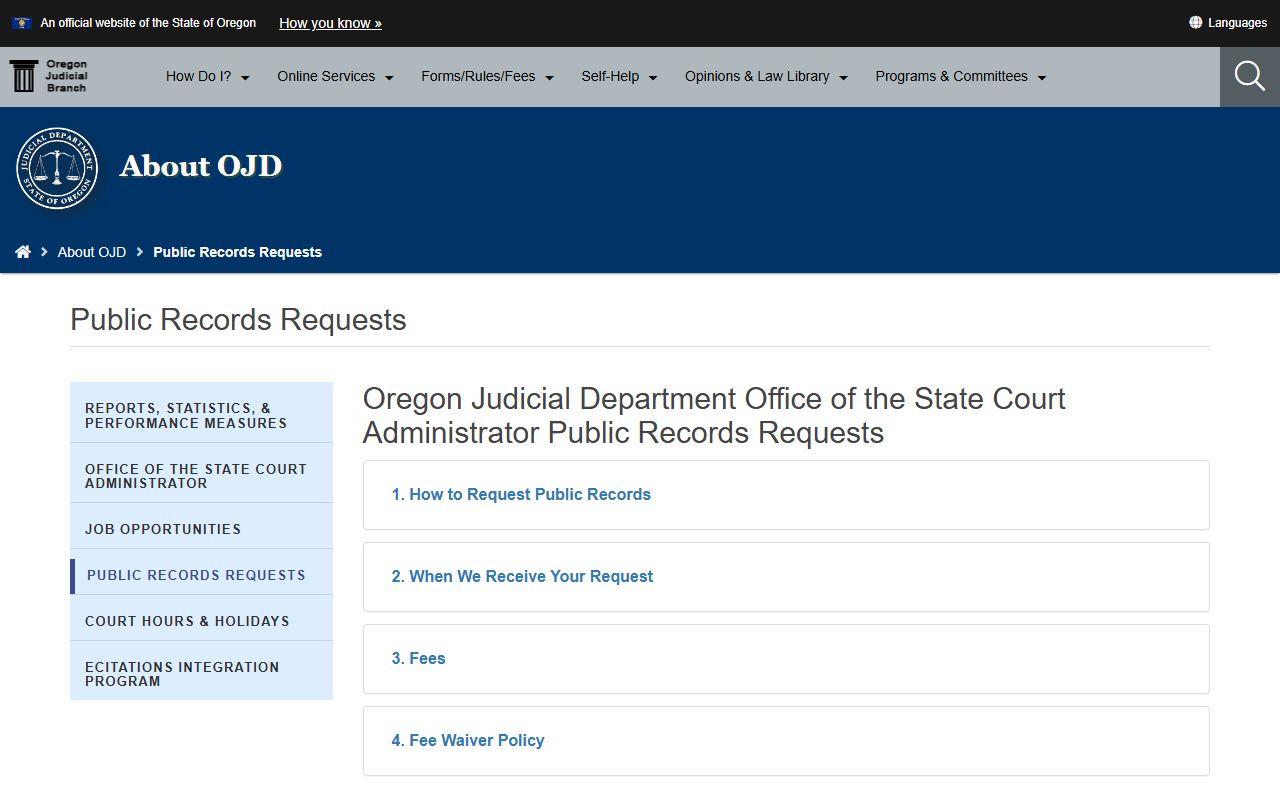
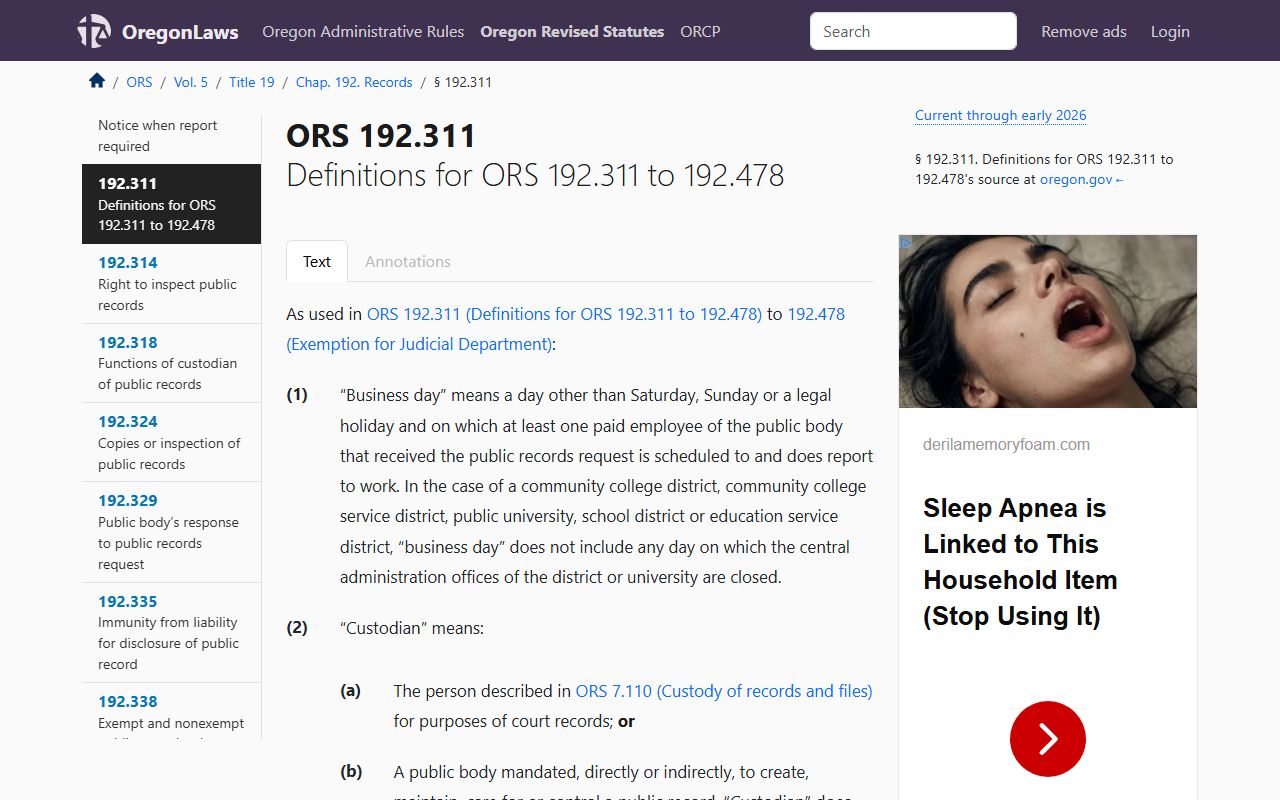
Some court records are sealed or confidential. These include jury source lists, identity of minor victims of sexual abuse, child support records, and paternity information. Accessing sealed records requires a court order or subpoena. You must request sealed records in person. The Oregon Laws website provides an alternative source for reviewing the statutes that govern access to these records.
Legal Resources for Oregon Police Records
If your police records request is denied, Oregon law gives you options. You can petition the Attorney General or your local district attorney. They will review the denial and determine if the agency acted properly. You can also file suit in circuit court seeking injunctive relief, a declaratory judgment, or a writ of mandamus. The court may award attorney fees to the prevailing party.
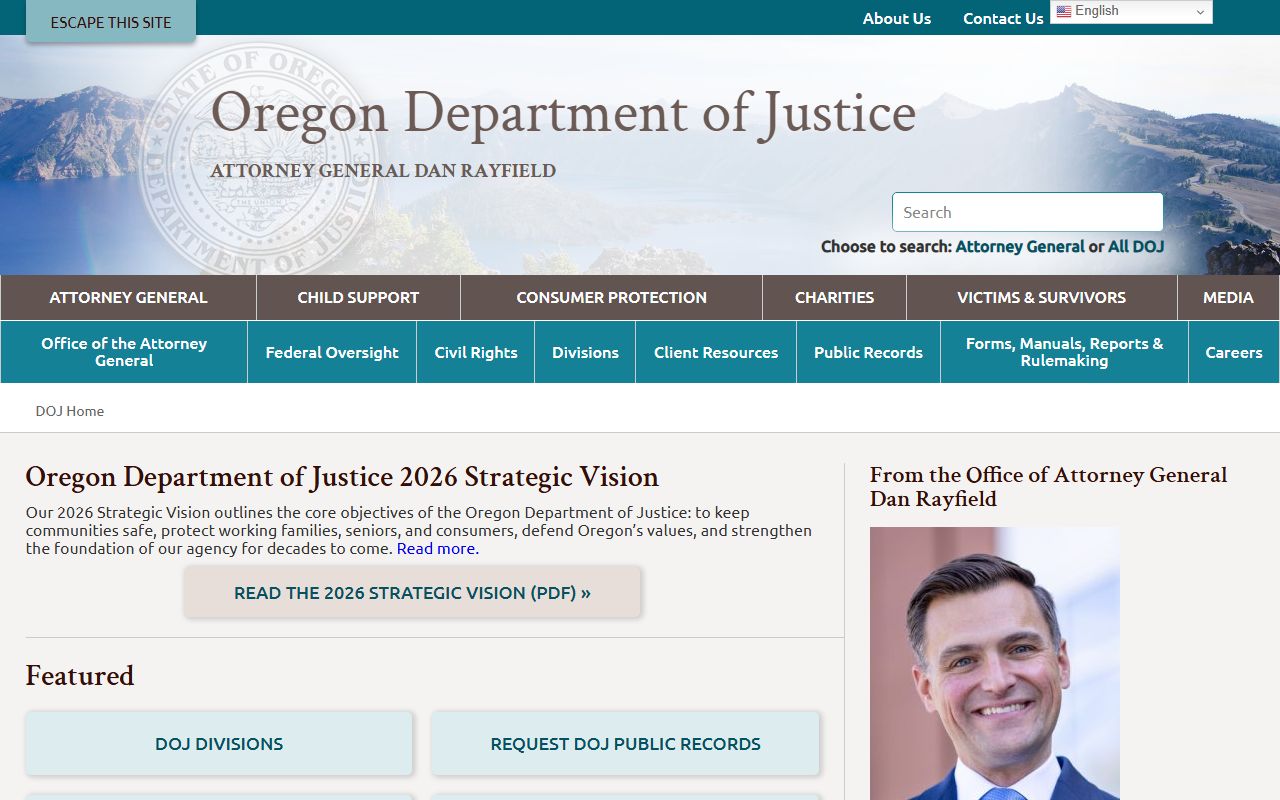
The Attorney General's office maintains a catalog of public record exemptions and provides guidance on the public interest balancing test. They also operate a public records hotline for questions about your rights under the law. The Oregon Blue Book published by the Secretary of State lists contact information for all government agencies including law enforcement offices, elected sheriffs, and district attorneys across Oregon.
Browse Oregon Police Records by County
Each of Oregon's 36 counties has a sheriff's office that keeps police records. Pick a county below to find local resources for police records in that area.
Police Records in Major Oregon Cities
City police departments handle police records within their municipal limits. Pick a city below to learn about police records in that area.